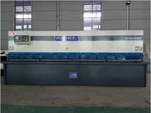
The sheet metal bending industry has experienced a paradigm shift with the introduction of computer numerical control (CNC) robots. The use of these robots in bending metal sheets has resulted in increased efficiency, reduced manual labor, and improved accuracy, among other benefits. This report assesses the specific prospects, performance advantages, and future growth directions of CNC bending robots in the sheet metal bending industry, considering their advantages over traditional manual bending techniques.
Prospects of CNC Bending Robots
CNC robots have transformed sheet metal bending into a fully automated process, affording several advantages over traditional manual folding techniques. Specifically, CNC bending robots offer a higher degree of agility and accuracy thanks to their use of cutting-edge computerized systems that can read and execute commands automatically. Additionally, these robots are capable of replicating intricate and complex designs more efficiently than humans can, while also ensuring that the finished product is free of errors.
Another added advantage of CNC bending robots is that their use has resulted in a significant reduction in manual labor costs. The robots are autonomous and can single-handedly carry out sheet metal bending tasks without human intervention, thereby locating errors and rectifying them promptly. Unlike human workers, robots do not need to take breaks, which helps to ensure that sheet metal bending projects are completed faster. It has also enabled companies to take on more complex projects as they can now achieve faster delivery times.
The use of CNC bending robots has also helped improve workplace safety by minimizing the exposure of human workers to hazardous materials, especially when handling heavy-duty bending machines. The risk of accidents and human error is significantly reduced, as the robots can carry out tasks while adhering to stringent safety protocols.
Performance Advantages of CNC Bending Robots
CNC bending robots are programmed to read and execute commands precisely, affording them a high degree of accuracy. They can bend metal sheets to exact tolerances, ensuring that designs are followed precisely. This capability is particularly beneficial in the fabrication of precision components that require a high degree of accuracy and consistency.
Moreover, CNC bending robots can handle a variety of metals, including aluminum, stainless steel, and titanium, among others. This capability is thanks to their use of a variety of tools, such as punches, dies, and press brakes, which enables them to handle various sheet metal bending applications.
The use of CNC bending robots has also resulted in increased production efficiency. Because they are fully automated, these robots can complete tasks more quickly and accurately than human operators can. This results in higher output and improved profit margins for sheet metal bending companies.
Future Growth Directions of CNC Bending Robots
The use of CNC bending robots in the sheet metal bending industry will increase in the future, mainly due to advancements in technology and the need for production efficiency. As technology advances, newer and more advanced robots will be developed that are more efficient and cost-effective.
There is also likely to be an increase in the adoption of robotic automation in smaller sheet metal bending shops, allowing them to compete more effectively with larger companies. The continued use of robotic bending machines is also expected to foster innovation in welding and cutting technology, leading to new manufacturing processes and practices in the sheet metal bending industry.
The use of CNC bending robots in sheet metal bending applications has revolutionized the industry by improving production efficiency, accuracy, and workplace safety while reducing costs. These robots are also capable of handling a wide range of metals, making them a versatile piece of equipment for sheet metal bending companies. The future growth and adoption of robotic bending machines in the sheet metal bending industry will continue to be driven by advancements in technology and the need for production efficiency.